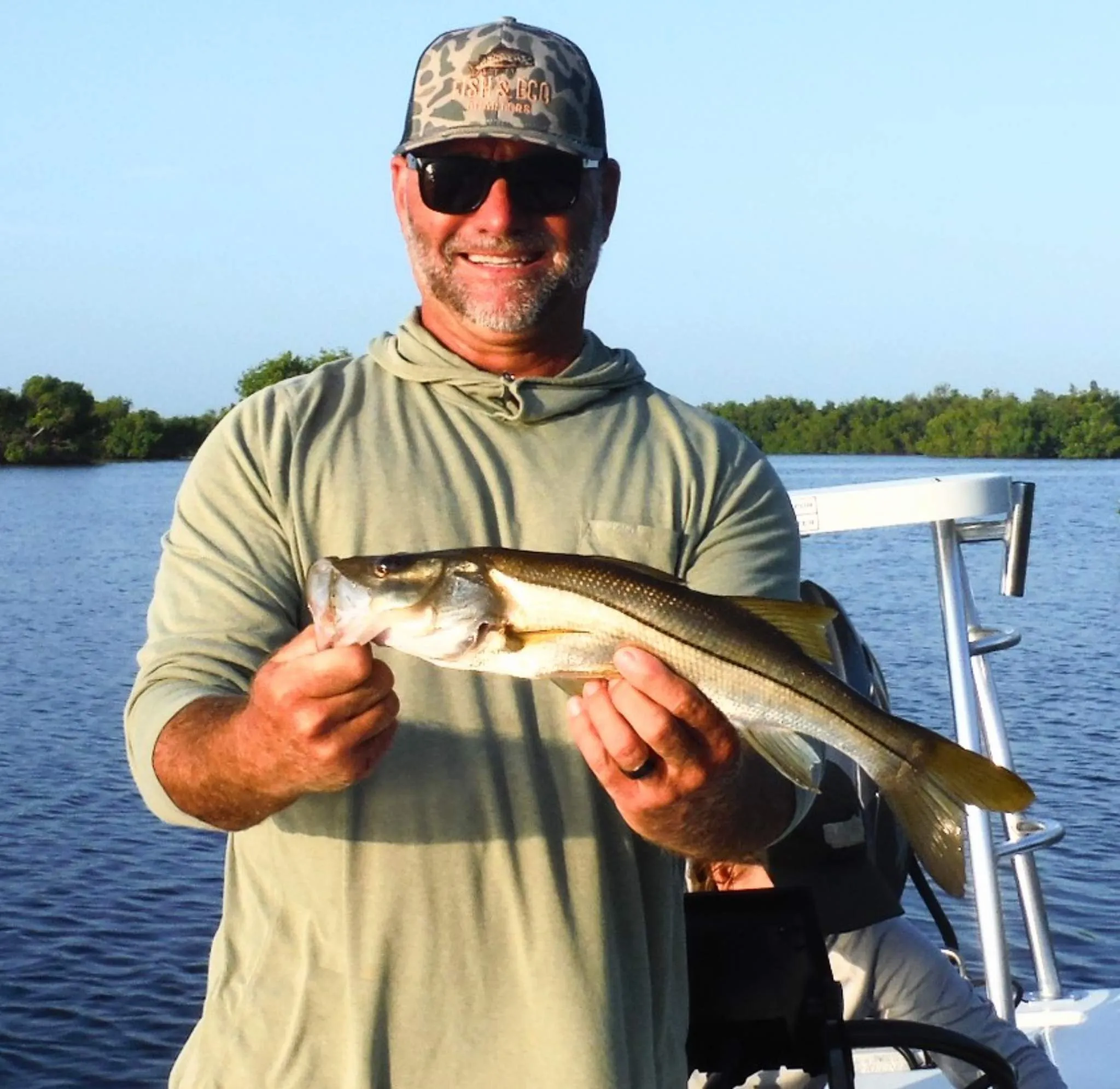
Biting right now — September
Water starts to ease off the summer highs and the whole harbor wakes up. Redfish and trout come back onto the flats, snook stay solid around the points and passes, and jack crevalle keep crashing bait all month long. This is one of our favorite stretches to run a full day and hit several different bites in one trip.
Jack Crevalle
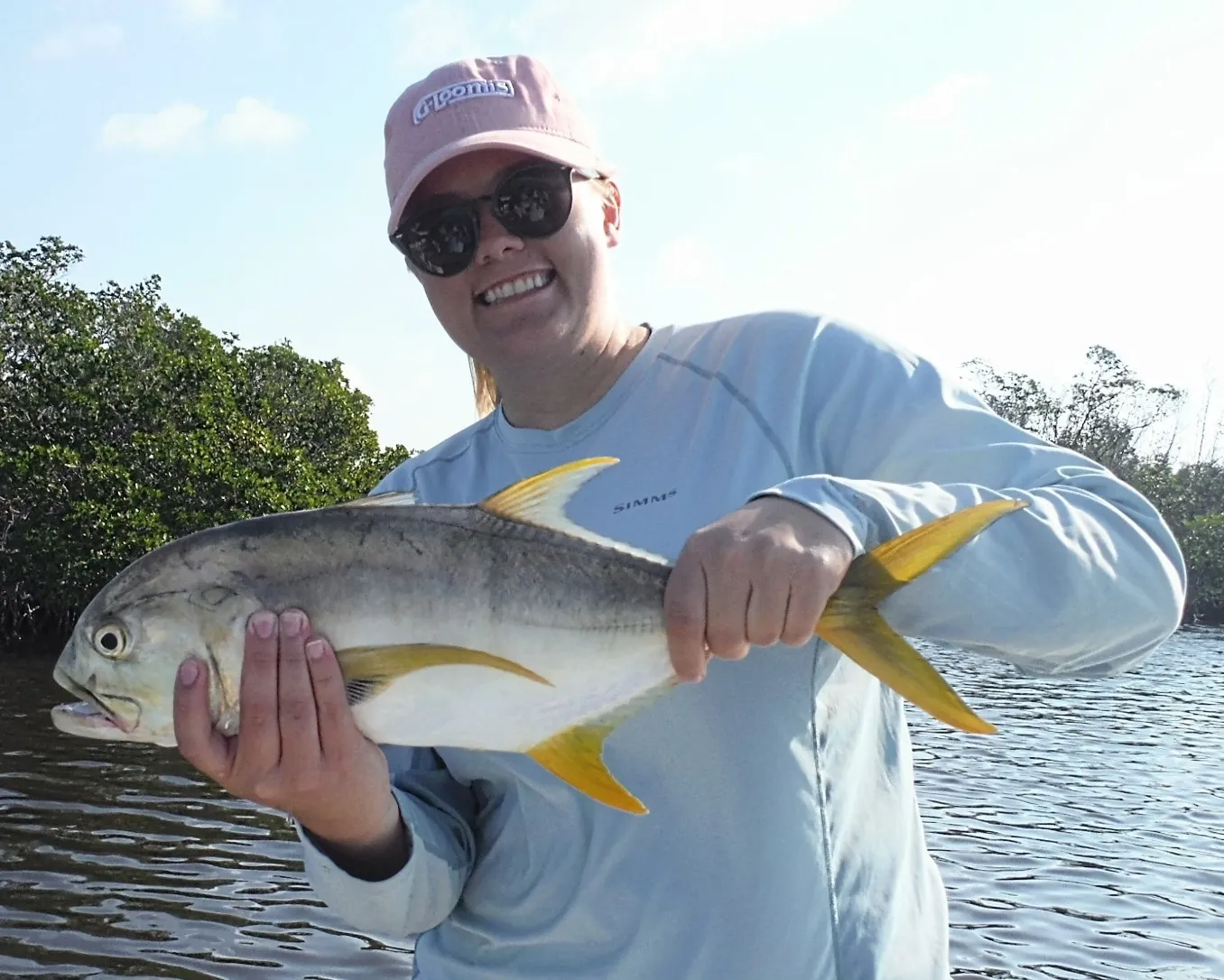
Jacks are thick on the flats and around bait pods, crashing schools of mullet and pilchards, and we run and gun with topwater and jigs for nonstop action.
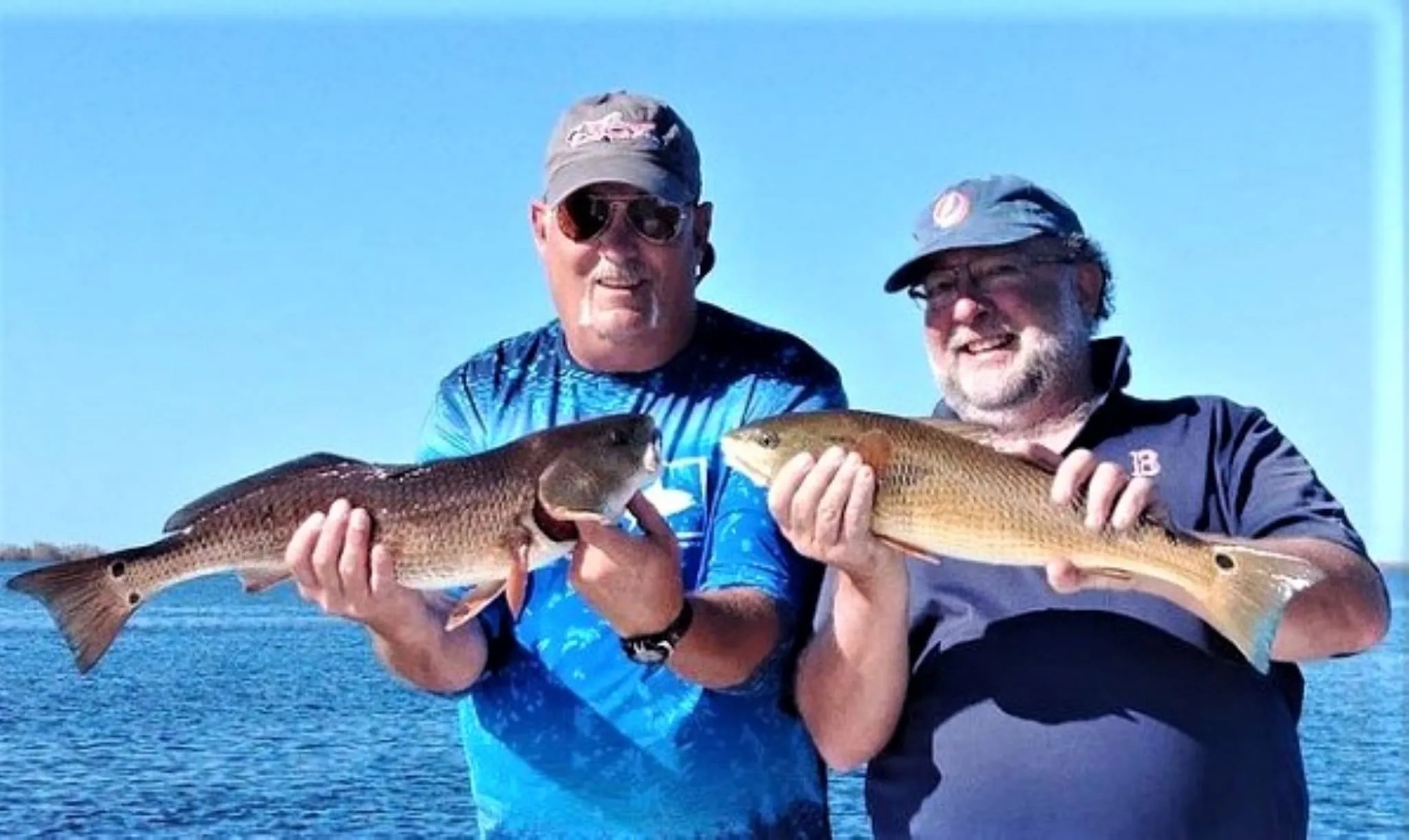
Redfish
Redfish are spread through the harbor and biting steady, so we cover grass flats and mangrove shorelines with cut bait and soft plastics.
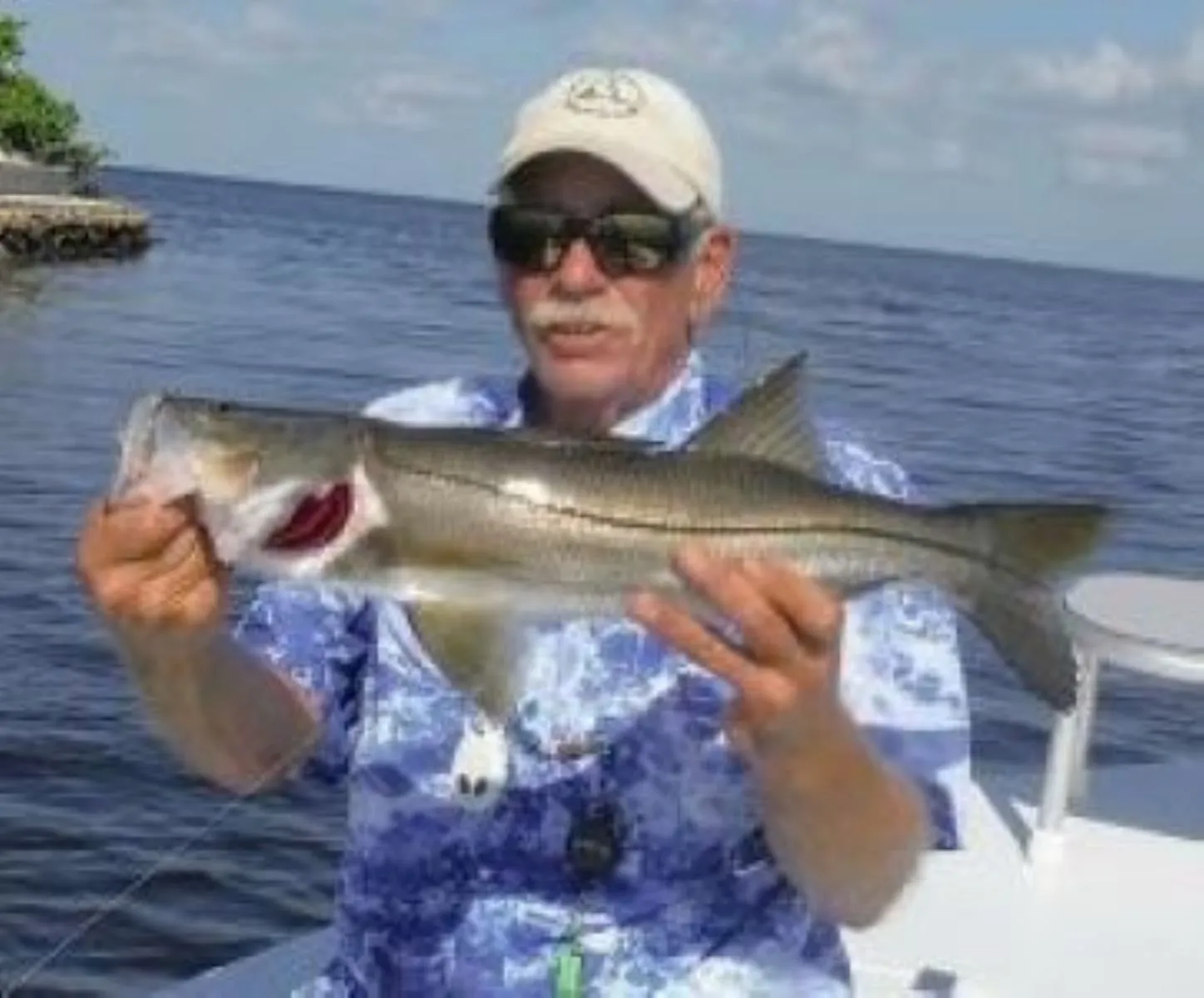
Snook
Snook are active and feeding along the shoreline and under docks, so we work moving water and low light for the best bites.
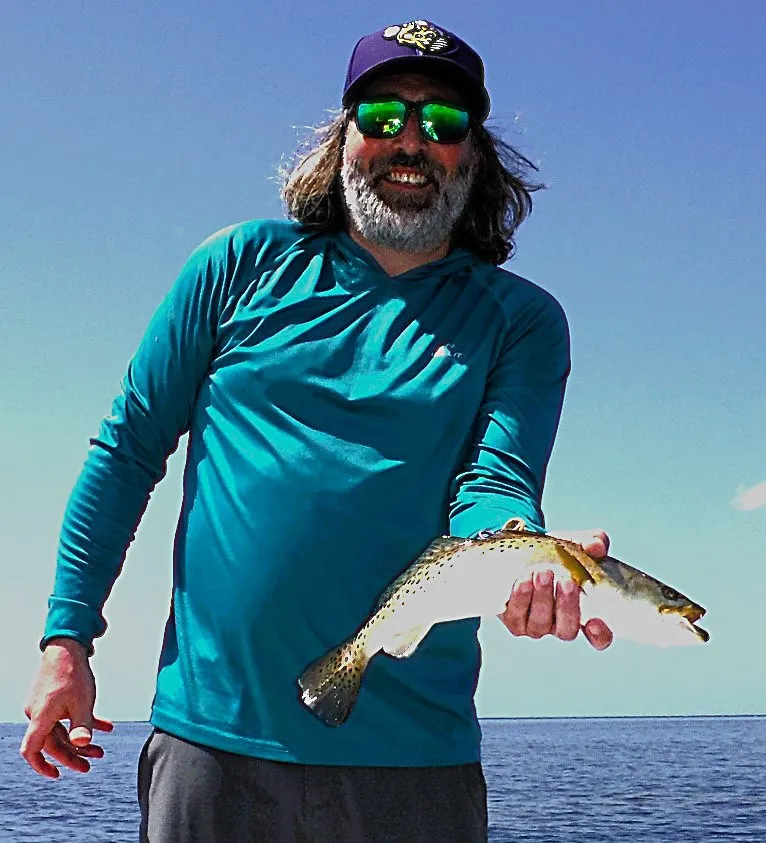
Speckled Trout
Trout are feeding well over grass in the cooler morning hours, so we fish early with soft plastics and live shrimp.
Every species, every month
This page breaks down when redfish, snook, tarpon, trout, pompano, black drum, and jack crevalle actually bite in Charlotte Harbor, month by month. The season has real peaks and real lulls, and we tell you both so you can plan a trip that matches what's actually swimming.
← Swipe the table to see every month →
| Species | Jan | Feb | Mar | Apr | May | Jun | Jul | Aug | SepNOW | Oct | Nov | Dec |
|---|---|---|---|---|---|---|---|---|---|---|---|---|
| Redfish | good | good | peak | peak | good | good | slow | slow | good | peak | peak | good |
| Snook | off | slow | good | good | peak | peak | peak | peak | good | good | slow | off |
| Speckled Trout | peak | peak | peak | good | good | slow | slow | slow | good | good | peak | peak |
| Tarpon | off | off | slow | good | peak | peak | peak | good | good | slow | off | off |
| Jack Crevalle | slow | slow | good | good | peak | peak | peak | peak | peak | good | good | slow |
| Pompano | peak | peak | peak | good | slow | off | off | off | off | slow | good | peak |
| Black Drum | peak | peak | peak | good | good | slow | slow | off | slow | good | good | peak |
Seasons, size limits, and bag limits on these species change and vary by species and water. Check the Florida Fish and Wildlife Conservation Commission before you plan to keep anything.
Month by month
What the water's doing, what's turned on, and which trip fits.
January
62-66°FCold fronts push water temps down and trout stack up thick in the deeper grass flats and canals. Reds are still moving well on the flats and pompano and black drum crowd the passes and bars. Snook shut down hard in this cold, so we leave them alone and focus where the bite is.
February
64-68°FWater is still cool but starting to trend up, and trout, pompano, and black drum keep the rods bending all month. Redfish push into potholes and along mangrove edges on the warmer afternoon tides. Snook are waking up slightly but still slow, and tarpon have not shown yet.
March
68-74°FWarming water flips the switch across the board. Redfish, trout, pompano, and black drum are all firing, snook come back on the mangroves and docks, and jacks start busting bait in the open water. First tarpon of the year show up on the flats, though the bite is still just getting started.
April
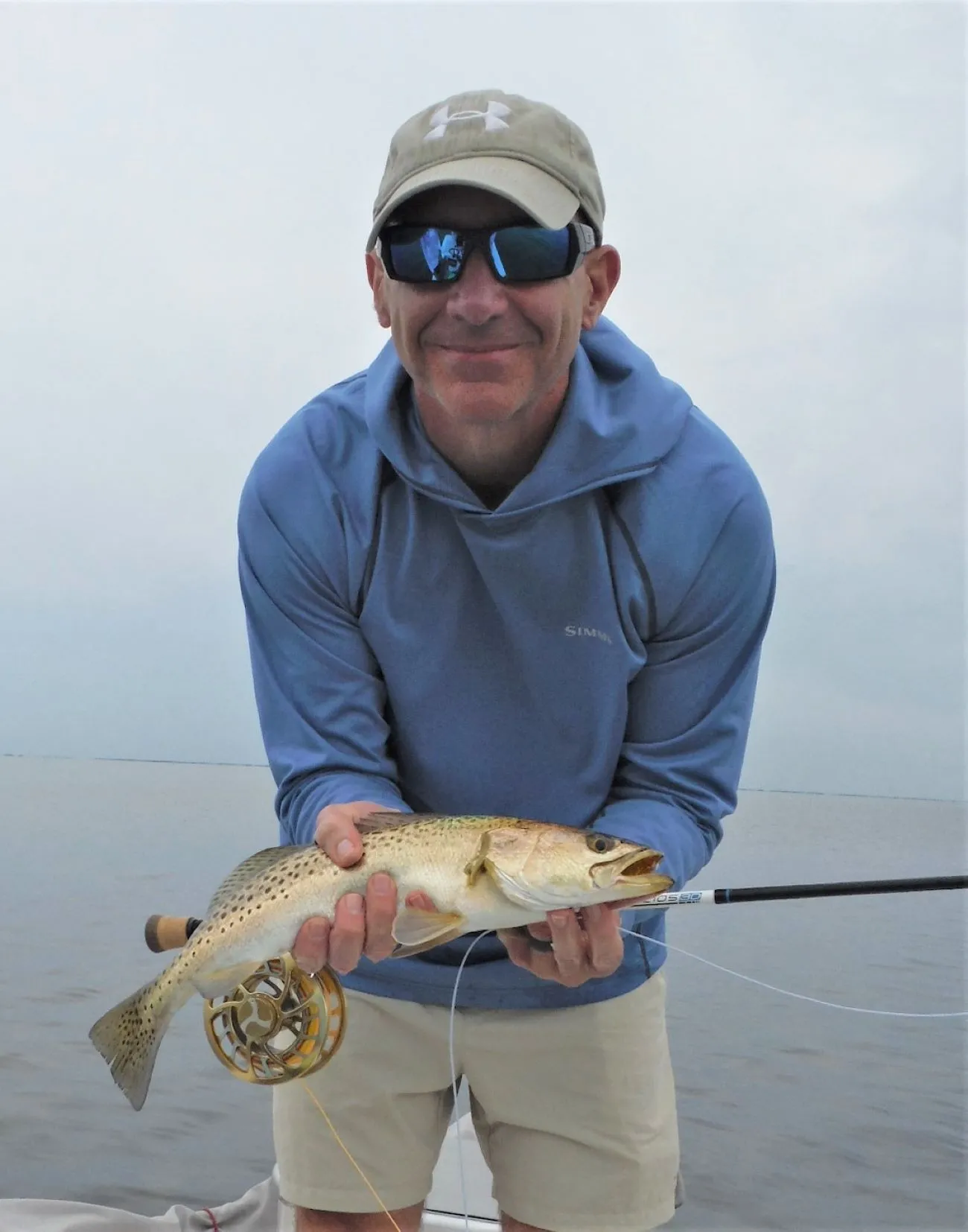
72-78°FRedfish are schooled up on the grass flats and back bay shorelines and this is the best month to find them. Snook are staging around the passes and mangrove points as water warms, and the first push of tarpon starts showing on the flats and along the beaches. Pompano are still around the bars for those who want variety on the same trip.
May
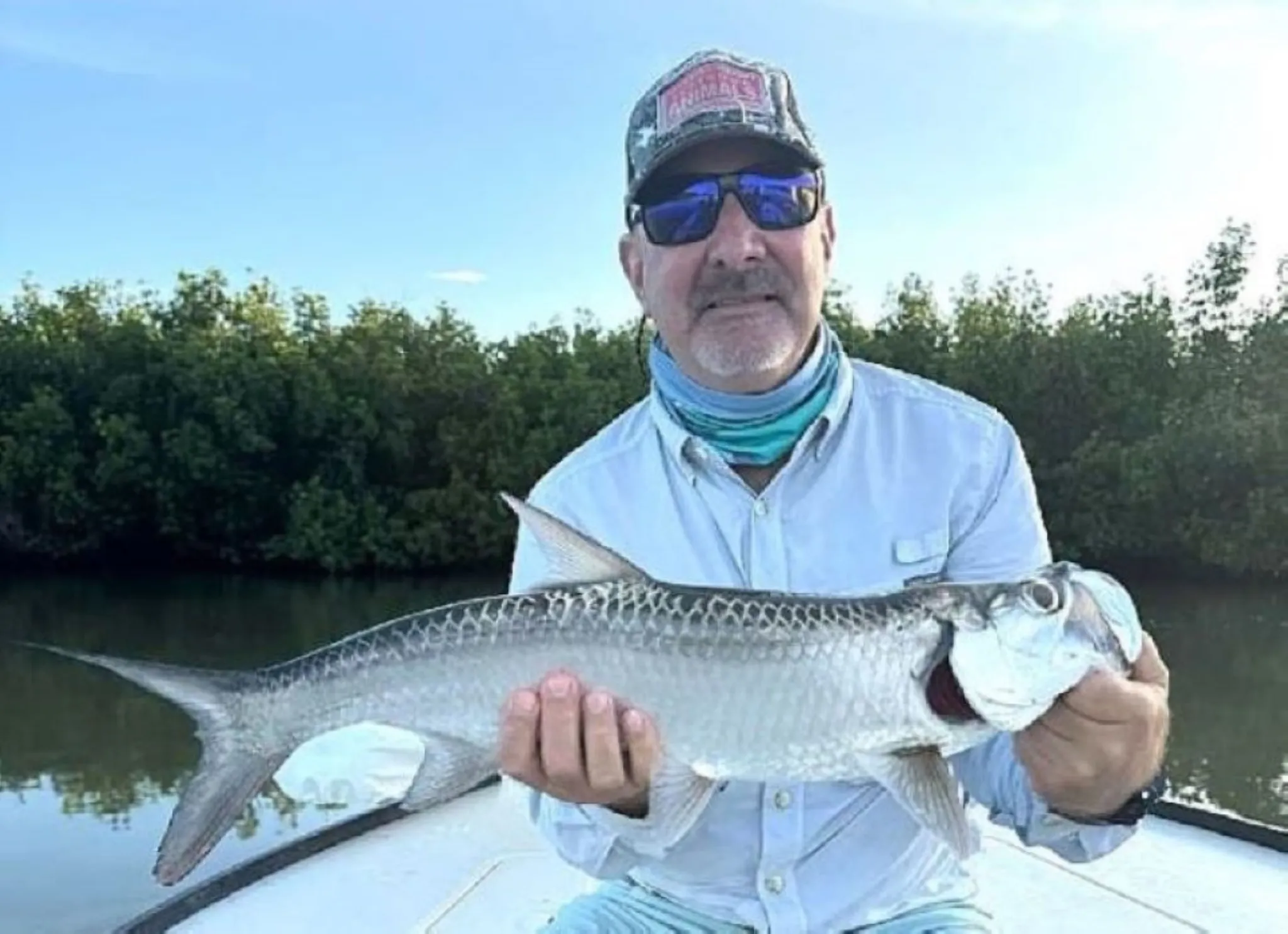
78-84°FThis is the month we build the season around. Snook are stacked on the beaches and passes, tarpon show up in real numbers rolling on the flats, and jacks are running hard through the bait schools. Redfish stay solid on the flats and trout are still cooperating, so we have plenty to fall back on if the migratory fish get moody.
June
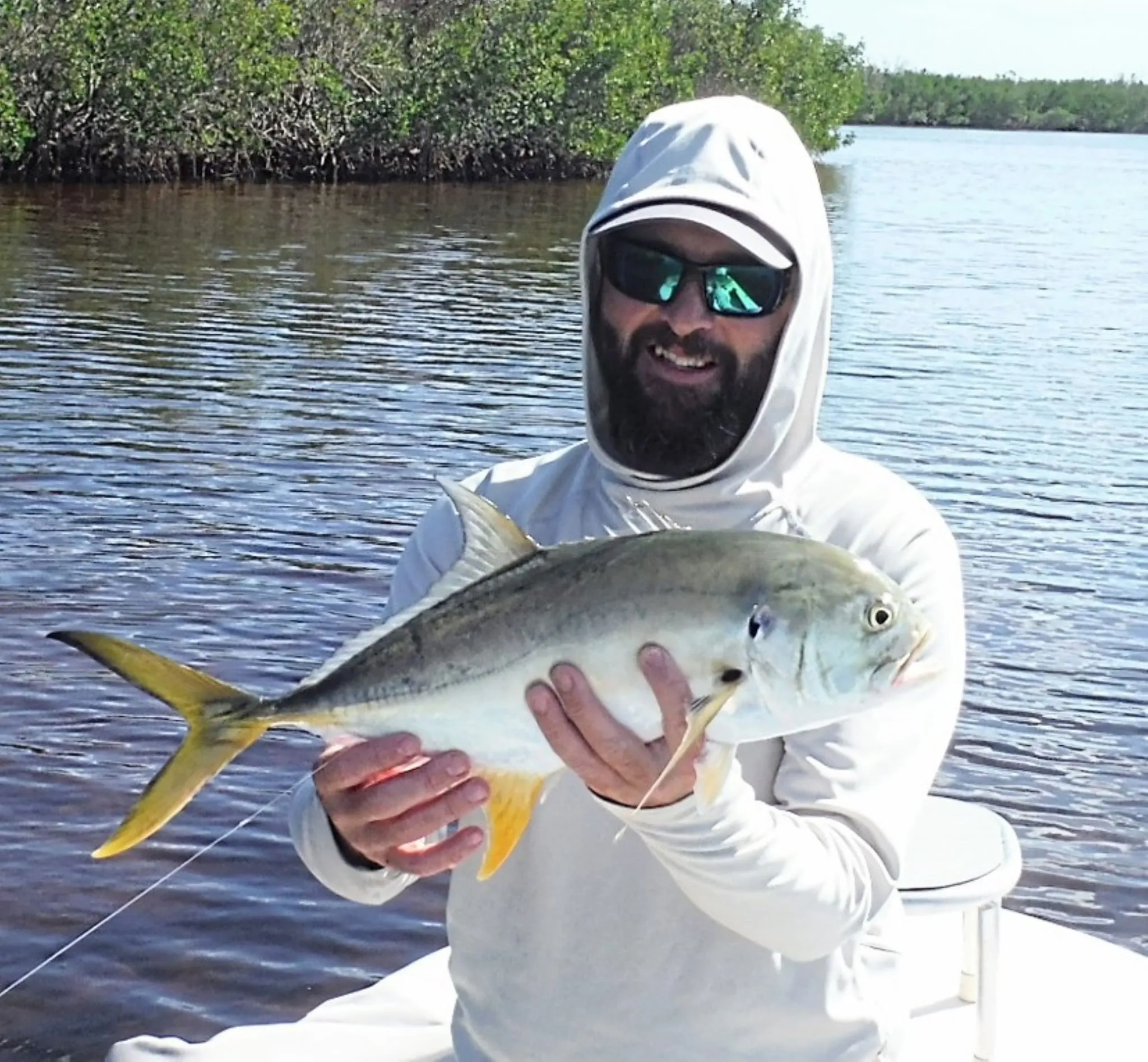
82-88°FTarpon and snook are still at their peak and jacks keep tearing up the surface, so the tackle stays busy even as the heat sets in. Trout slow down hard in the warm water and pompano have moved off the harbor for the summer, so we do not chase them this month. Early starts matter now, we want to be on the fish before the sun gets high and the water gets too warm to fish well.
July
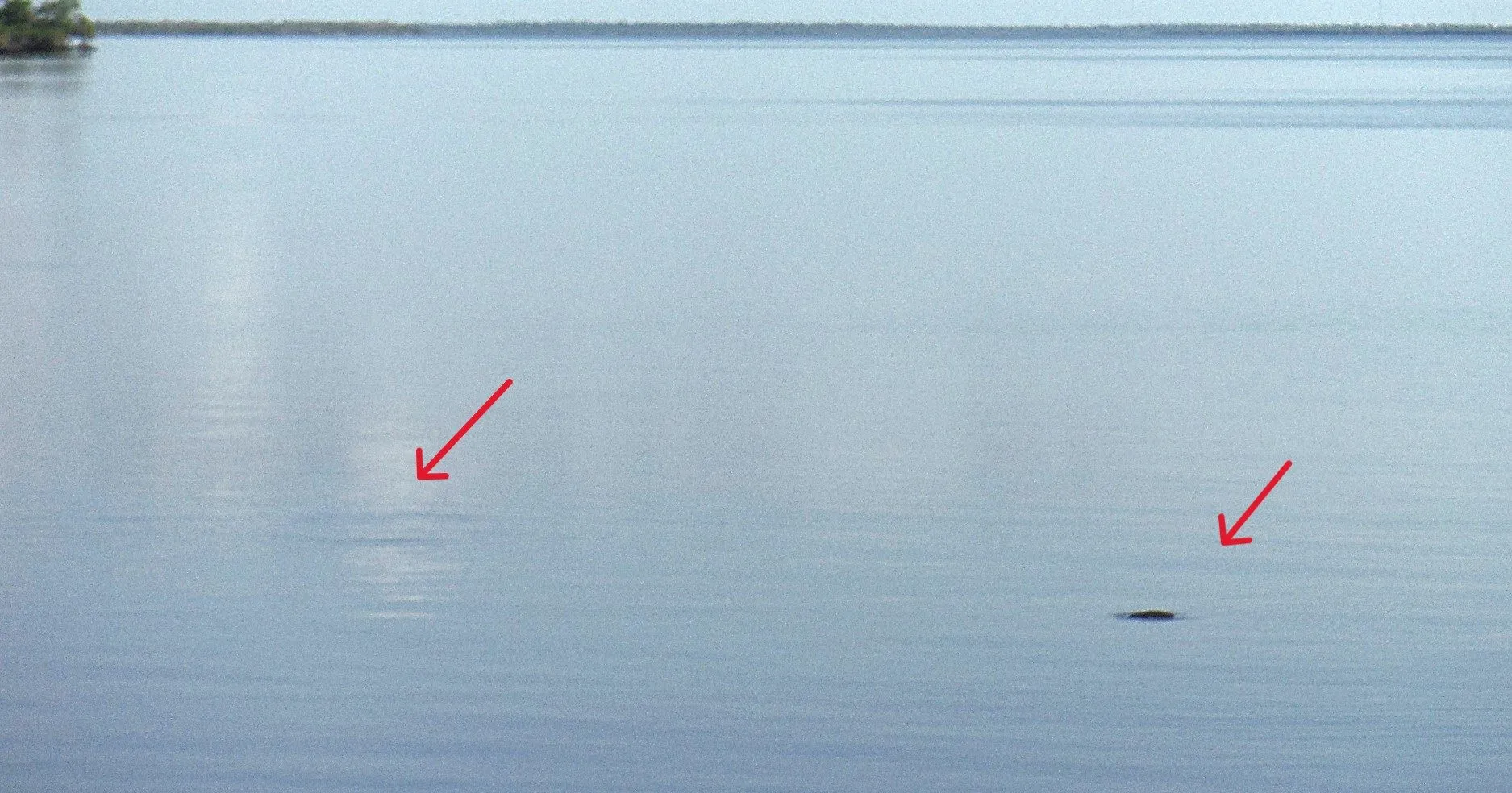
85-90°FHot water pushes snook up into the mangrove shade and they hit hard all month. Tarpon roll the passes and outside beaches early and late in the day, and jack crevalle will flat out wear your arms out on the flats and around the bridges. Redfish and trout are sluggish in this heat, so we lean on the other bites and fish the shade lines and moving water.
August
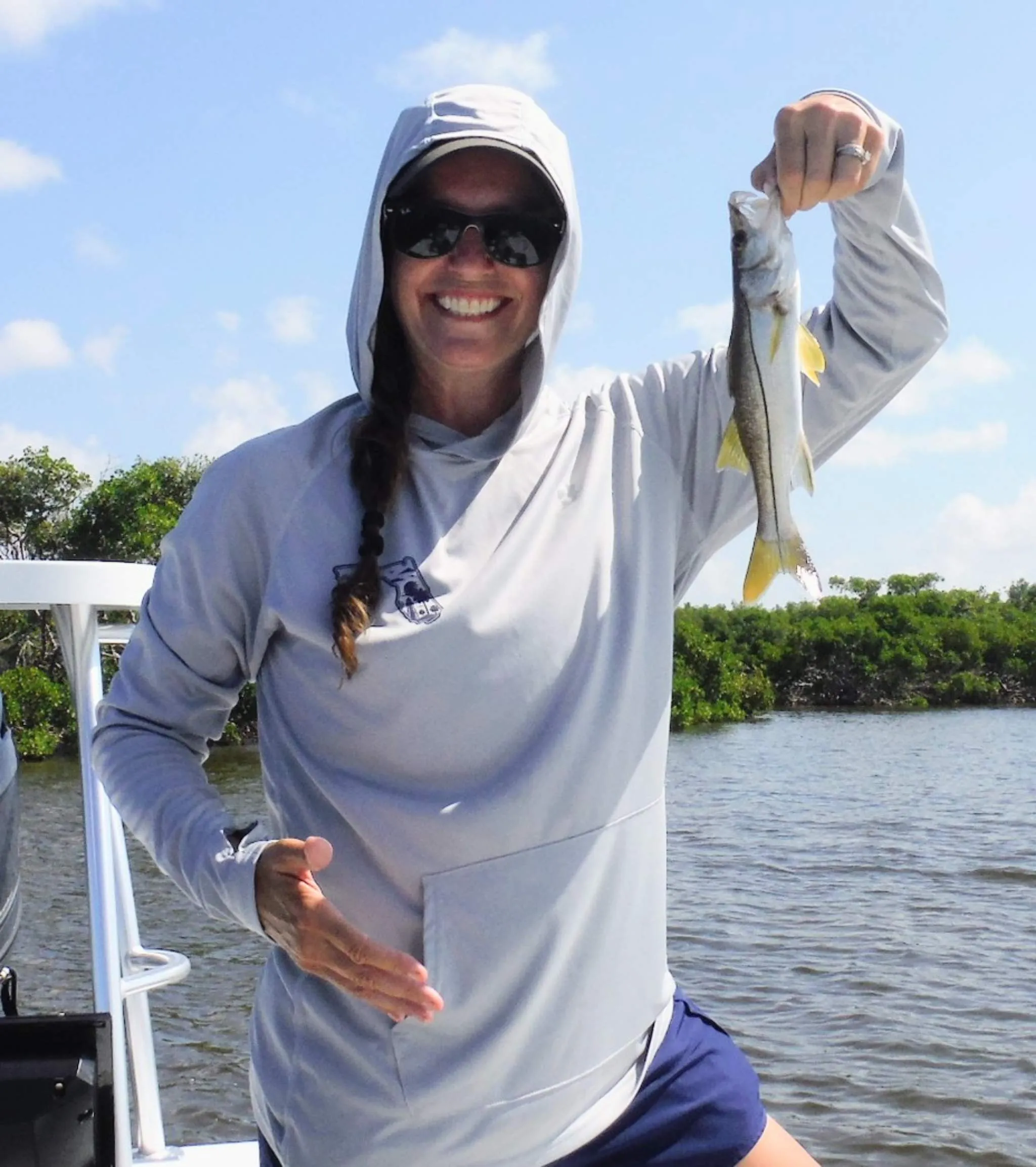
86-91°FSnook and jack crevalle stay locked in all month, working the mangrove edges and current lines through the worst of the summer heat. Tarpon are still around and still eating, just not quite the frenzy of July. Redfish and trout stay slow in the heat, so most days we fish early mornings and target the snook and jacks hard.
September
82-87°FWater starts to ease off the summer highs and the whole harbor wakes up. Redfish and trout come back onto the flats, snook stay solid around the points and passes, and jack crevalle keep crashing bait all month long. This is one of our favorite stretches to run a full day and hit several different bites in one trip.
October
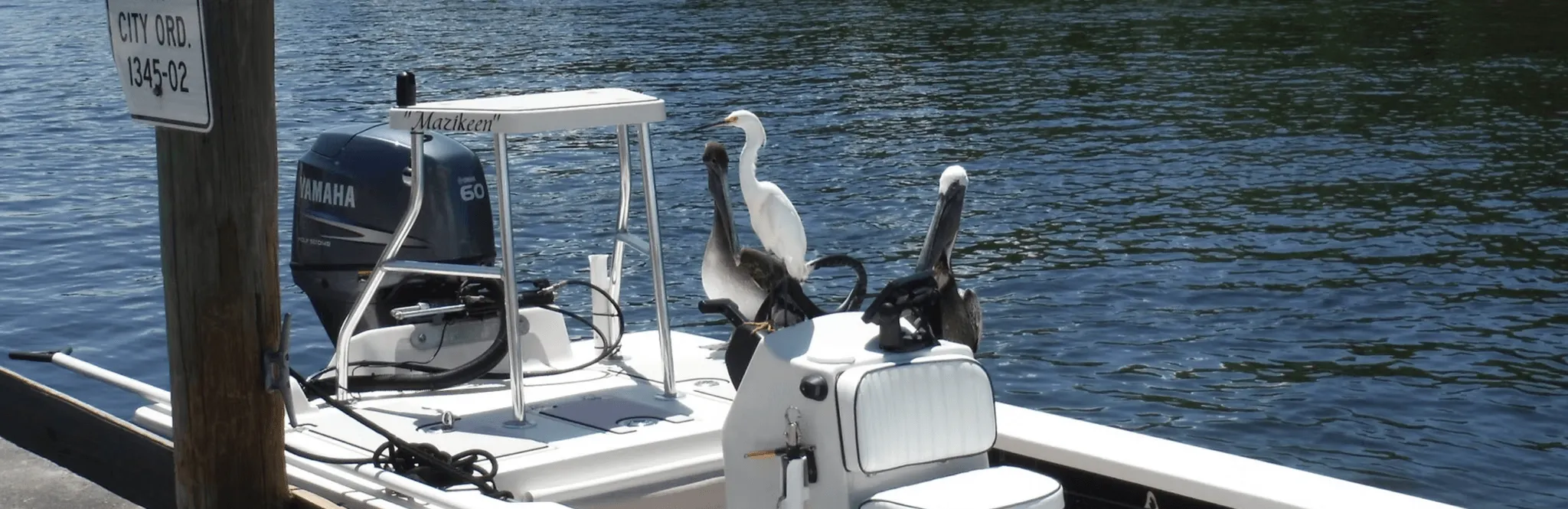
80-84°FWater is still warm and redfish are stacked on the flats and around the mangrove shorelines, tailing on the higher tides. Snook are still around the points and creek mouths before the fall cool down pushes them deeper. Jacks are running the edges of the bars and will eat almost anything we throw at them.
November
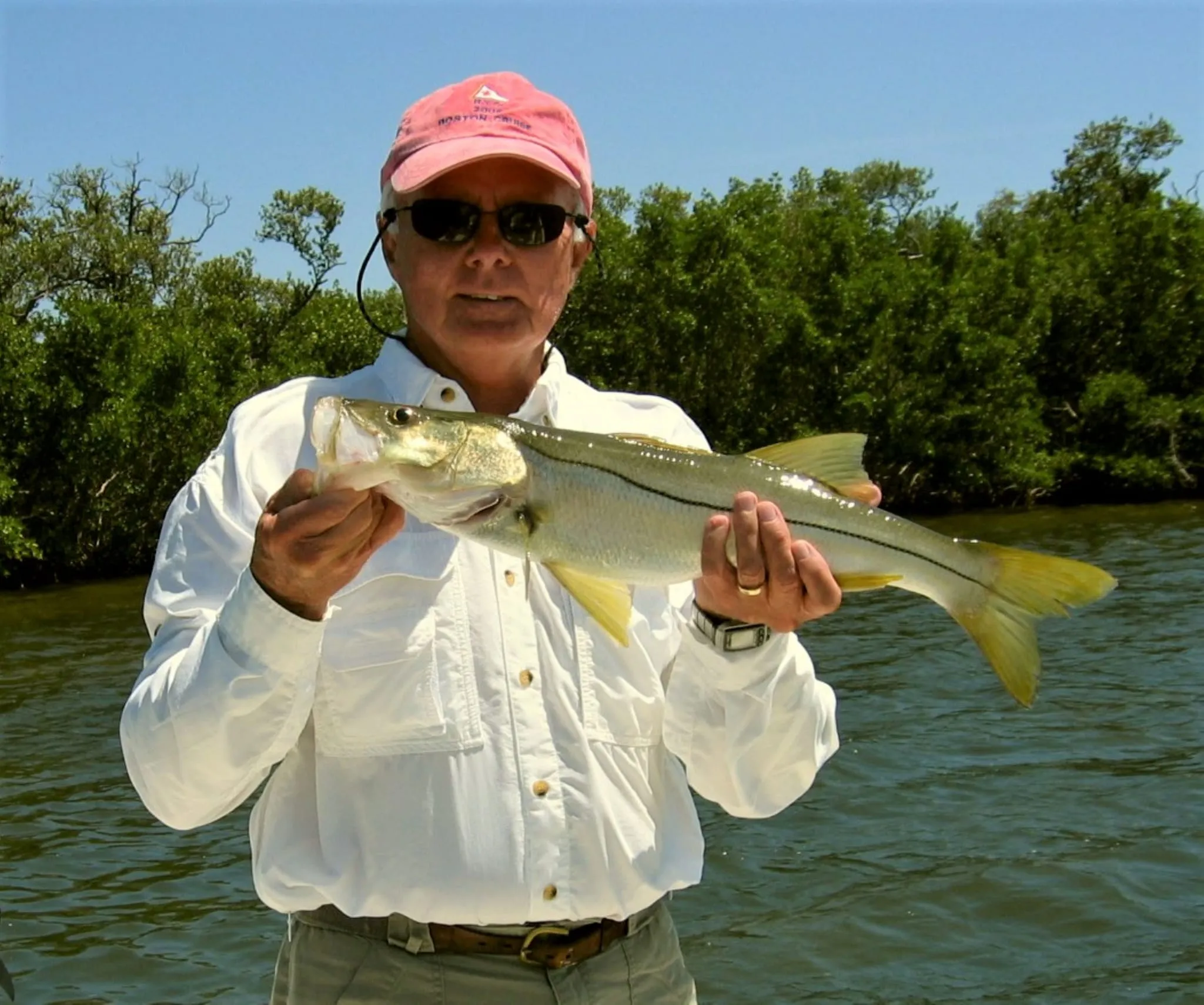
72-76°FCooling water moves trout onto the grass flats in numbers and redfish stay just as strong as October, often mixed in the same water. Pompano start showing up along the sandy troughs and passes, and black drum are working the deeper holes near structure. Snook fishing drops off hard this month, so we shift most of our time to reds and trout.
December
66-70°FThis is a strong winter month for trout, black drum, and pompano, all holding tight to deeper grass, holes, and passes as the water cools further. Redfish are still good on warm days and low light but slow down some with cold fronts. Snook fishing is essentially done for the month, and we do not target them.
Where we fish, and when it's best
Charlotte Harbor
Best Oct - May — Cooler water pulls redfish and snook onto the flats where we can sight fish them. Summer brings heavy rain and murky water that shuts down the visual game.
Boca Grande
Best May - Jul — The pass fills with migrating tarpon and this is the run everyone plans around. Outside those months the big fish move on and the pass goes quiet.
Pine Island Sound
Best Apr - Sep — Grass flats hold snook and trout through the warm months, with tarpon passing through in late spring. Winter cold fronts push fish deep and slow the bite here.
Peace River
Best Apr - Jun — Tarpon stack up in the river mouth on their way through, and the tannic water gives us an edge sight fishing rolling fish. Once the run passes the river fishes thin until next year.
Naples
Best Nov - Apr — Backcountry creeks and mangrove shorelines fish well once the water cools and clears. Summer heat and afternoon storms make for short, tough days.
North Point
Best Dec - Mar — Cold fronts push big schools of redfish onto these shallow flats where we can spot and cast to them. Come summer the fish scatter and the flat goes empty.
Common questions
What's the best month to fish Charlotte Harbor?
Is it worth booking a trip in the off months?
When do snook and tarpon show up in Charlotte Harbor?
What does a real day of fishing look like in the middle of summer?
What bites in Charlotte Harbor in the winter?
Ready to Get on the Water?
Dates fill up fast in season. Reach out to Fly Fishing Fl to lock in your charter.